
Nutrient-Rich Foods for Men
Explore comprehensive guides on essential nutrients, dietary choices, and nutritional science for optimal health and vitality.
The information on this site is for educational purposes only and does not constitute medical advice. Always consult a qualified healthcare professional before making health decisions.
This site provides educational information about nutrition. Always consult reliable sources and professionals before making dietary changes.
Browse by Category
Featured Nutrient-Rich Foods

Salmon
Salmon is an exceptional source of omega-3 fatty acids, high-quality protein, and vitamin D. These nutrients support cardiovascular function, muscle development, and bone health. Regular consumption provides essential amino acids necessary for tissue repair and maintenance.
Key Nutrients: Omega-3 fatty acids, Protein, Vitamin D, Selenium
Serving: 3-4 ounces per serving

Leafy Greens
Spinach, kale, and other dark leafy greens are nutritional powerhouses containing high levels of iron, calcium, and vitamin K. They provide essential micronutrients while remaining low in calories. These vegetables support bone strength, oxygen transport, and overall vitality.
Key Nutrients: Iron, Calcium, Vitamin K, Folate, Magnesium
Serving: 2-3 cups raw or 1 cup cooked daily

Eggs
Eggs contain all nine essential amino acids, making them a complete protein source ideal for muscle building and repair. They provide choline for brain function and lutein for eye health. Eggs are versatile, affordable, and easily digestible sources of nutrition.
Key Nutrients: Complete Protein, Choline, Lutein, Selenium
Serving: 1-3 eggs per day

Nuts & Seeds
Almonds, walnuts, and seeds deliver healthy unsaturated fats, plant-based protein, and fiber. They support cardiovascular function and provide sustained energy through their nutrient density. These portable foods make excellent additions to daily nutrition plans.
Key Nutrients: Healthy Fats, Protein, Fiber, Magnesium, Vitamin E
Serving: 1 ounce (about 23 almonds) per day

Whole Grains
Brown rice, oats, and whole wheat provide sustained energy through complex carbohydrates and dietary fiber. They support digestive function and stable blood sugar levels. Whole grains contain B vitamins essential for energy metabolism and nervous system function.
Key Nutrients: Complex Carbohydrates, Fiber, B Vitamins, Manganese
Serving: 1/2 to 1 cup cooked per meal

Lean Meats
Chicken and turkey breast are lean protein sources containing all essential amino acids while remaining low in saturated fat. They provide iron, zinc, and B vitamins crucial for energy production and immune function. These versatile proteins support muscle maintenance and recovery.
Key Nutrients: Lean Protein, Iron, Zinc, B Vitamins, Selenium
Serving: 3-4 ounces per serving
Health Benefits Overview
Cardiovascular Support
Omega-3 fatty acids from salmon, healthy fats from nuts, and antioxidants from leafy greens work together to support healthy cholesterol levels and circulation. These nutrients help maintain optimal heart function and arterial flexibility.
Muscle Development
High-quality proteins from eggs, lean meats, and fish provide essential amino acids necessary for muscle protein synthesis. Combined with strength training, adequate protein intake supports muscle strength and recovery.
Cognitive Function
Choline from eggs, omega-3 fatty acids, and B vitamins from whole grains support brain health and mental clarity. Nutrient-rich foods contribute to concentration, memory, and overall neurological function.
Energy & Metabolism
Complex carbohydrates, B vitamins, and balanced macronutrients provide sustained energy throughout the day. These nutrients support metabolic efficiency and consistent performance in daily activities.
Understanding Essential Nutrients
Men's nutritional needs are unique. Adequate intake of zinc, iron, and selenium supports immune function and reproductive health. Vitamin D and calcium maintain bone density, while potassium and magnesium support cardiovascular and muscle function.
A balanced diet incorporating the foods listed above ensures comprehensive micronutrient and macronutrient intake. Consistency with nutrient-rich foods supports long-term health, sustained energy, and optimal physical performance.
Protein & Amino Acids
Essential for muscle repair, enzyme production, and hormone synthesis
Omega-3 Fatty Acids
Supports cardiovascular health, brain function, and reduces inflammation
Vitamins & Minerals
Regulate metabolism, support immune function, and maintain bone integrity
Dietary Fiber
Promotes digestive health and supports stable blood sugar levels

Frequently Asked Questions
The Recommended Dietary Allowance (RDA) for protein is 0.8 grams per kilogram of body weight for sedentary adults. However, men engaged in strength training or physical activity may benefit from 1.2 to 2.2 grams per kilogram of body weight. Factors like age, activity level, and fitness goals influence individual requirements. Distributing protein across 3-4 meals supports consistent muscle protein synthesis throughout the day.
Zinc plays essential roles in immune function, protein synthesis, and reproductive health. The Recommended Dietary Allowance for adult men is 11 mg daily. Good sources include lean meats, oysters, nuts, seeds, and whole grains. Adequate zinc intake supports wound healing, maintains healthy skin, and contributes to optimal immune response during seasonal challenges.
Fatty fish like salmon, mackerel, and sardines are excellent omega-3 sources. Aim for 2-3 servings per week of fatty fish to meet recommended omega-3 intake. Plant-based sources include flaxseeds, chia seeds, and walnuts, though fish provides more bioavailable omega-3 forms (EPA and DHA). Including these foods regularly supports cardiovascular and cognitive function.
Vitamin D regulates calcium absorption for bone health, supports immune function, and influences mood and energy levels. Adult men should aim for 600-800 IU daily, though individual needs vary. Fatty fish, egg yolks, and fortified dairy products contain vitamin D. Sunlight exposure also stimulates vitamin D synthesis. Adequate levels are particularly important as men age to maintain bone density and overall vitality.
Most men can obtain adequate nutrients from a varied, balanced diet including fruits, vegetables, whole grains, lean proteins, and healthy fats. Whole foods provide not only isolated nutrients but also beneficial compounds like fiber and phytonutrients. A diverse diet with foods from all major food groups typically supports comprehensive nutritional needs. Individual circumstances vary, so reviewing your diet with knowledgeable sources is prudent.
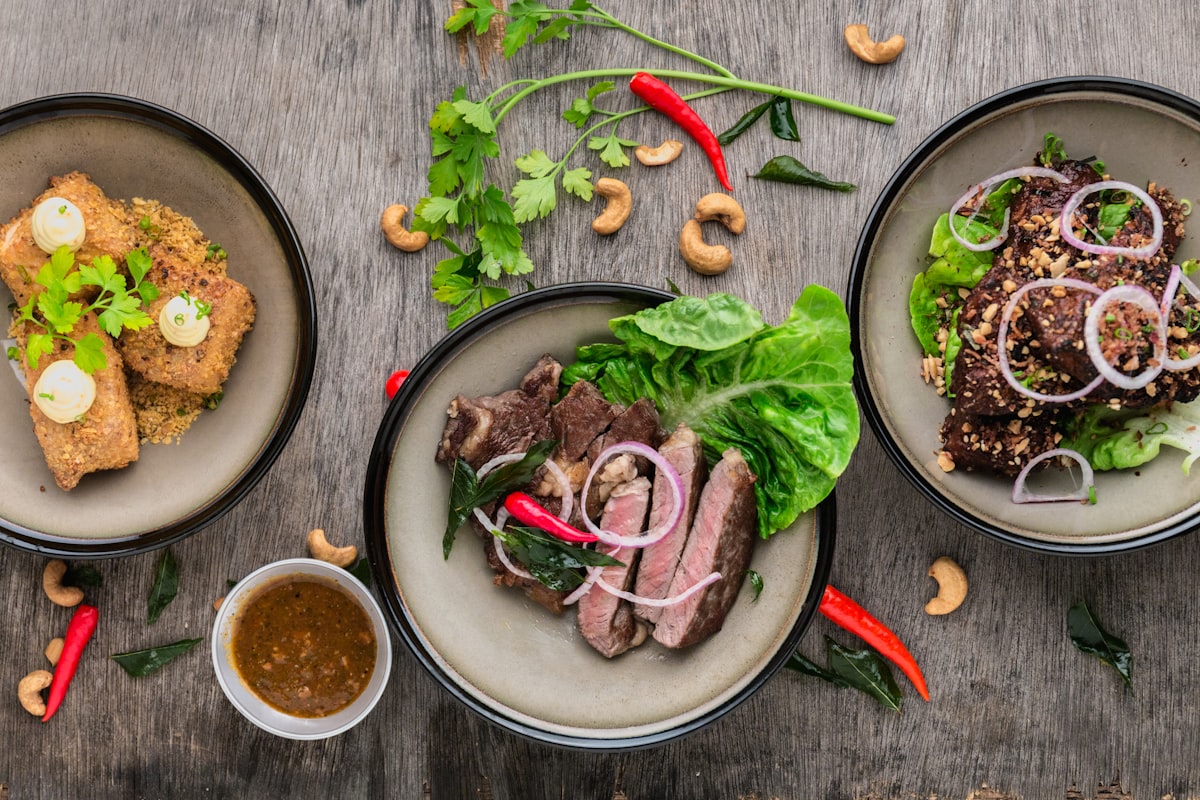
Food Variety & Nutrition



What Our Readers Say
The nutrient guides at Malenutritionguidehub transformed how I approach nutrition. I learned which foods provide the best protein sources for my fitness routine and how to balance macronutrients effectively. The detailed information about zinc and vitamin D helped me make informed dietary choices.
Budi Santoso
Jakarta, Indonesia
Comprehensive information presented in an easy-to-understand format. I appreciated the emphasis on whole foods and practical guidance about omega-3 sources, iron-rich options, and healthy fats. This resource helped me structure better meal plans aligned with my health goals.
Arief Wijaya
Bandung, Indonesia
Excellent resource for understanding nutritional science without commercial bias. The FAQ section answered questions I had about protein requirements and mineral absorption. I recommend this guide to anyone serious about optimizing their nutrition through food choices.
Dwi Purnama
Surabaya, Indonesia
"This guide helped me understand the nutritional needs of my growing son. The meal plans are practical and easy to follow!"

Siti Nurhaliza
Jakarta, Indonesia
Ready to Transform Your Child's Nutrition?
Get started with our comprehensive guide and give your child the best nutritional foundation for healthy growth.
Frequently Asked Questions
What age groups does this guide cover?
Can I customize meal plans for allergies?
How often should nutritional assessments be done?
Is professional consultation included?
What languages is the guide available in?
Malenutritionguidehub
Empowering families with evidence-based nutrition guidance for healthier children.
Support
© 2024 Malenutritionguidehub. All rights reserved.
Dedicated to improving child nutrition and preventing malnutrition worldwide.